
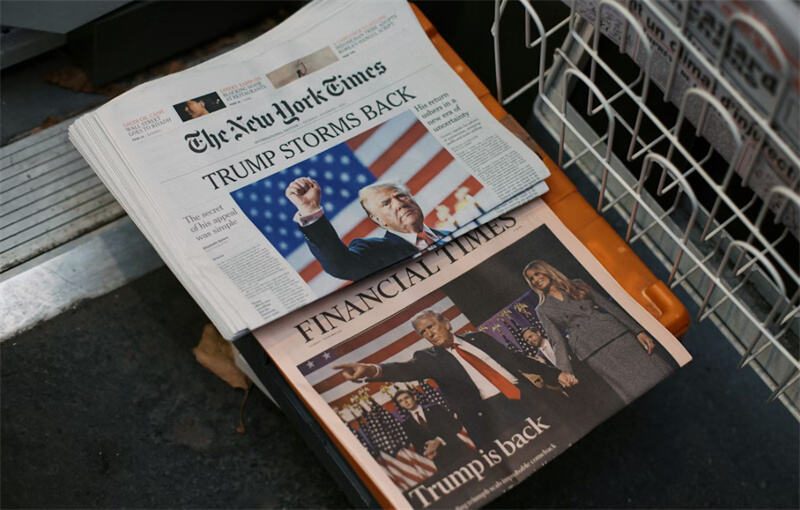
Recently,President Donald Trump announced that any country doing business with Iran will face a 25% tariff on its trade with the United States.This is an economic measure to put pressure on the Tehran government. This policy is effective immediately and Trump called it a final decision. This move has attracted significant attention,including from countries such as China,India,Turkey etc., because they conduct trade with Iran, which may also affect their trading relationships with the United States.
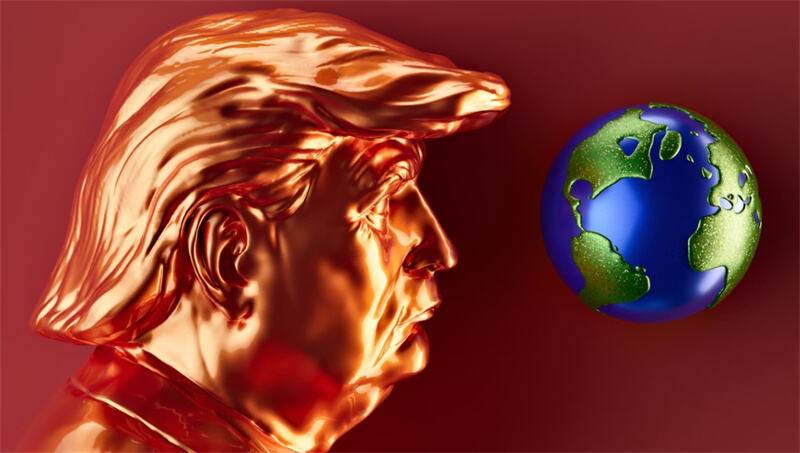
In the past, international trade mainly depended on cost, efficiency and market demand. But in recent years, trade policy has become increasingly influenced by political,security and diplomatic factors. Tariffs,sanctions and export controls are often not planned policies in advance, but are quickly changed by the political stances, geopolitical conflicts and diplomatic statements. A statement or a social media message can change previously stable trade rules.
In such an environment, companies are confronted not just with fluctuating prices, but also with uncertain and unpredictable policies,which raises the risk for traditional supply chains focused on a single country.
Enterprises are not afraid of tariffs; what they really fear is unpredictable
Enterprises are not afraid of known tariffs-they fear unpredictable and rapidly changing trade policies. Once the rules become unstable, risks are no longer controllable.
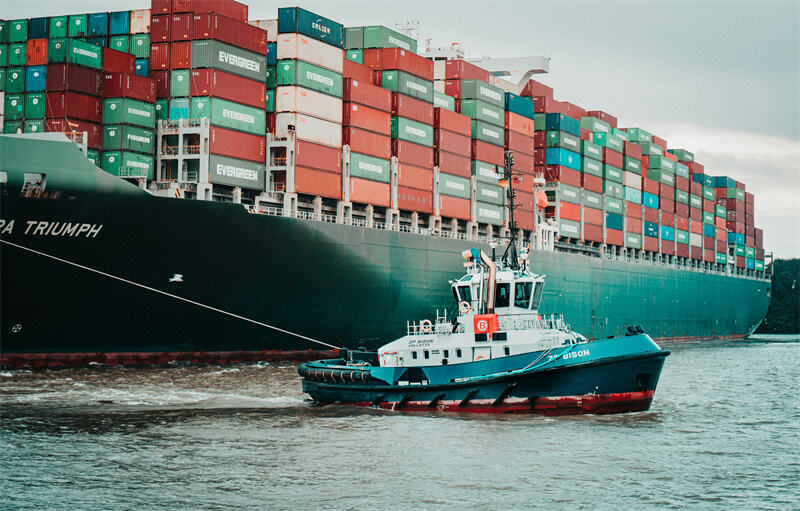
For example, one of our brand customers had confirmed the product specifications,prices and lead times at the beginning of the year, with the tariffs calculated into the cost based on the policies in effect at that time. The order had been processed and were ready to ship; everything was going according to plan, but tariffs were announced to increase suddenly.This batch of products had to be put on hold. In particular, for goods already in transit, one customer requested that the shipment be returned to the port of origin and asked the supplier to arrange temporary storage.
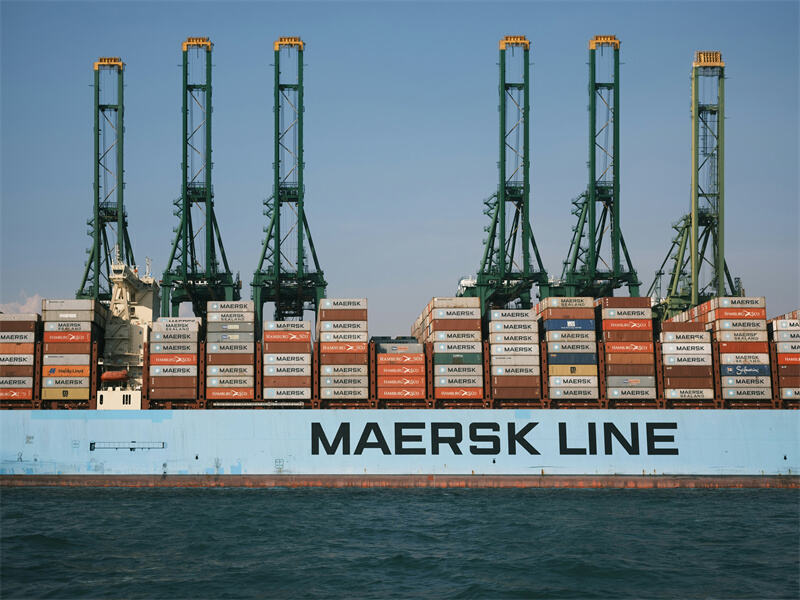
The previously confirmed cost structure has been disrupted. Enterprises are unwilling to bear the additional tariffs, and factories are also unable to absorb them. As a result, shipments are seriously affected, and this situation tests the cooperation and trust between factories and enterprises. In most cases, the additional cost ultimately falls on the enterprises.
In this case, enterprises are facing operational risks rather than just a rise in costs. This is exactly the situation that many enterprises are genuinely concerned about.
Hidden risks of a single-country supply chain
The biggest problem of a single-country supply chain is not the cost, but the lack of flexibility. When external conditions change, enterprises often have to bear the impact passively and cannot adjust quickly.
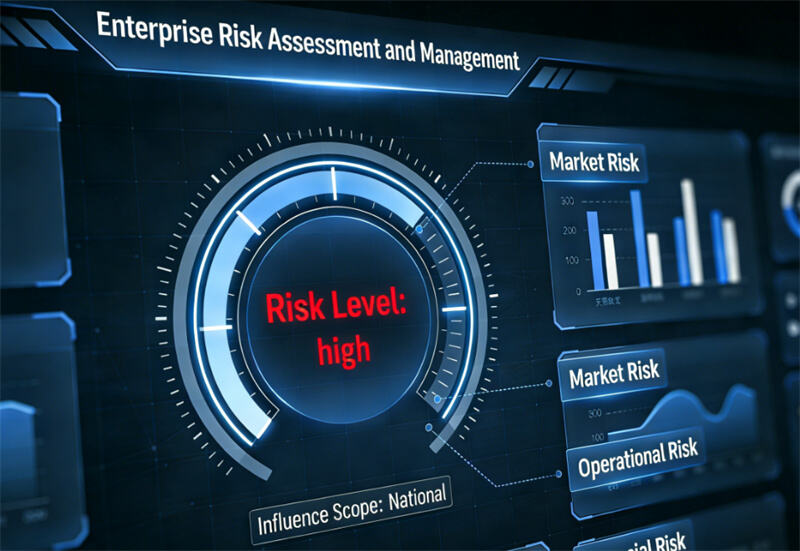
For example, an enterprises put the whole production in one country. In stable market period,this mode can run smoothly, because of low cost of communication,control of lead time and price.But once the country adjusts tariffs due to geopolitical tensions, trade frictions, or policy changes, enterprises will find that they have almost no room to maneuver.Temporarily sourcing a new supplier significantly increases business risks. Real concerns include inventory pressure, inconsistent quality, and certification issues.
Because all orders rely on a single country of origin, enterprises are unable to shift production capacity or adjust delivery plans in the short term. What was once considered an efficiency advantage—concentrated production—can instead amplify risks when policies change. Such risks often remain hidden in daily operations but become fully exposed at critical moments.
Why more and more supply chain of brands shift into Vietnam
Brands choose Vietnam not as a replacement for any single country, but as a way to add certainty and a safety margin to their supply chains. Increasingly, brands are expanding parts of their supply chains to Vietnam, driven not by a single factor, but by a combination of stability, risk diversification, and long-term planning.
Compared with highly politicized trade environments, Vietnam carries relatively lower policy risk in international trade and maintains stable trade relationships with multiple European and North American markets. This gives brands greater clarity and predictability in terms of tariffs, rules of origin, and compliance costs.
Which Types of Buyers and Brands Are Suitable for Manufacturing in Vietnam?
A. Enterprises Focused on Supply Chain Stability
Seeking to avoid policy or tariff risks associated with reliance on a single country
Requiring long-term, predictable production and delivery planning
B. Enterprises Sensitive to Compliance and Export Policies
Seeking smooth customs clearance when exporting to European and North American markets
Aiming to reduce risks arising from complex trade frictions
What Support We Provide in Vietnam
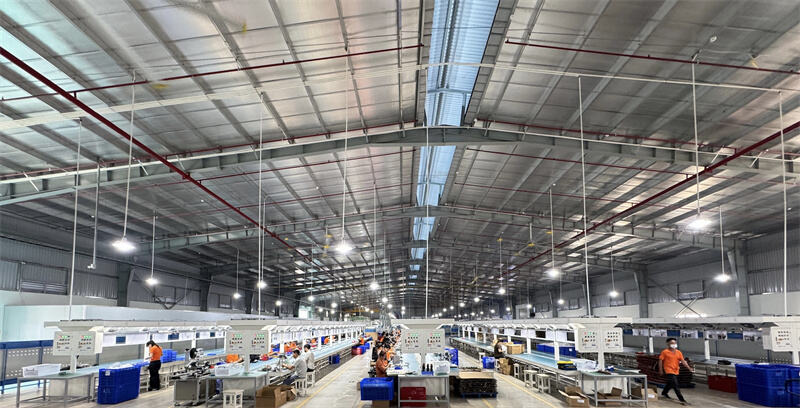
A. Mature Manufacturing Capabilities
· Backed by over 20 years of manufacturing experience of rechargeable work lights,tire inflators and jump starters , ensuring consistent product quality and stable delivery
· Capable of handling customized products as well as large-volume orders
· Thanks to our long-term partnerships with key Chinese suppliers, our core component suppliers have followed us to Vietnam, helping ensure stable product performance and consistent quality
B. Flexible Supply Chain Solutions
· Supporting multi-origin sourcing strategies to reduce reliance on a single country
· Able to adjust production capacity quickly based on order volume and market demand
C. Compliance and Certification Assurance
· Deep understanding of regulatory requirements for lithium battery and electronic products in European and North American markets
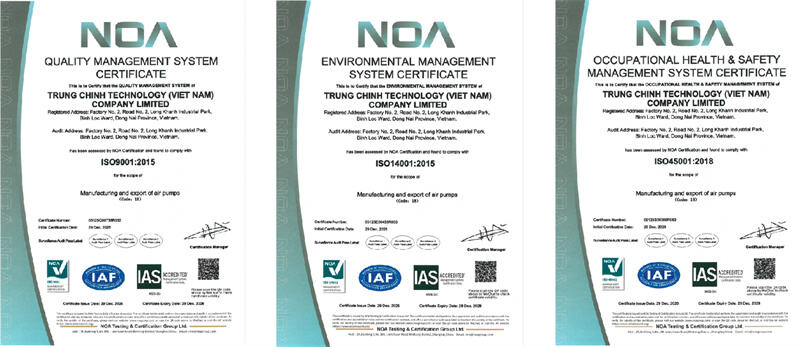
· Factories certified to ISO 9001, ISO 14001, ISO 45001, BSCI, and other compliance standards
· Products compliant with CE, RoHS, and related international regulations
D. One-Stop Support from R&D to Logistics
· Assisting with product sampling, design optimization, and production management
· Providing export packaging solutions and logistics coordination to help reduce friction in international trade
Conclusion
In summary, our Vietnam factory is more than just a production base—it is a strategic partner for brands seeking to reduce risk, enhance supply chain resilience, and ensure reliable quality and delivery.
If you are looking for a stable and controllable overseas electronic products manufacturing partner, we welcome you to contact us and explore how we can build a more flexible and resilient supply chain together.
Table of Contents
- Enterprises are not afraid of tariffs; what they really fear is unpredictable
- Hidden risks of a single-country supply chain
- Why more and more supply chain of brands shift into Vietnam
- Which Types of Buyers and Brands Are Suitable for Manufacturing in Vietnam?
- What Support We Provide in Vietnam
- Conclusion