


Keys to Choosing the Right Work Light Supplier (And Avoiding Costly Mistakes)
Jun 22, 2026
Leave a message
Sourcing work lights for your business sounds straightforward - until a bad supplier decision costs you time, money, and customer trust. Whether you're a distributor, retailer, or procurement manager, picking the wrong partner can mean delayed shipments, safety compliance headaches, and products that disappoint in the field.
Here's what actually matters when evaluating a work light supplier - beyond just price and a product catalog.
At Darenic, we've spent over 20 years manufacturing portable work lights for distributors and brands across 20+ countries - so we know firsthand what separates a reliable supplier from a risky one. Here's what we've learned.

Battery Safety and Compliance: Look Beyond the Certificate
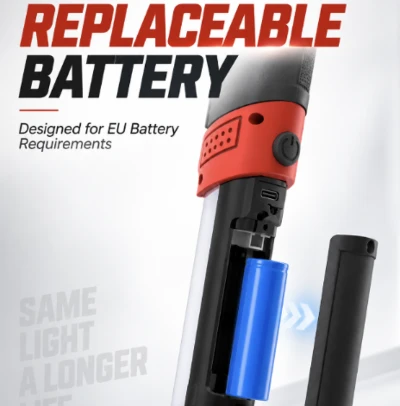
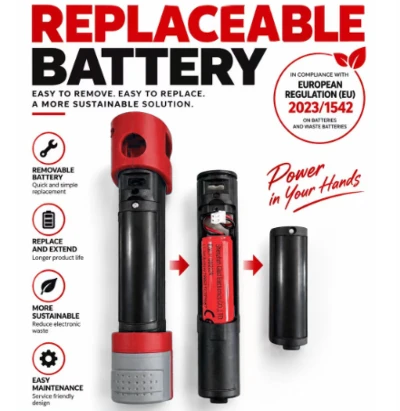
In any rechargeable portable work light, the lithium battery is the heart of the product. Its safety, reliability, and lifespan largely determine the overall quality - and the risk to your customers.
But don't just take a supplier's word for it. A certificate on paper isn't the same as a real quality control process. When vetting a supplier, dig into the specifics:
- Do they have consistent quality control systems in place?
- Are their batteries certified to international standards like CE or UN38.3?
- Do they use only new cells - not reclaimed or recycled materials?
Reputable suppliers work exclusively with certified batteries and manufacture to international standards. Many also implement batch traceability systems, so every shipment can be tracked and verified for consistency.
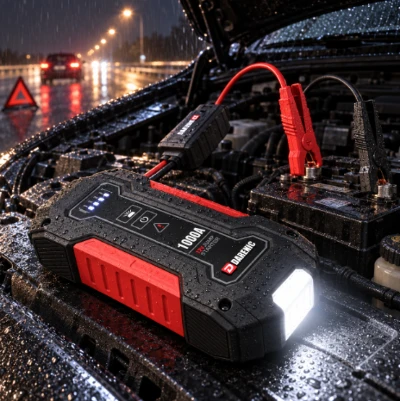
One certification worth paying close attention to is UN38.3 - the standard required for shipping lithium batteries internationally. It covers a rigorous series of tests: altitude simulation (mimicking air transport conditions), extreme temperature cycling, vibration, mechanical shock, short-circuit protection, nail penetration, and overcharge. A battery that passes UN38.3 should not ignite, explode, or leak under any of these conditions. This is what allows work lights to be safely transported by air or sea and arrive at your warehouse without incident.
If a supplier can't clearly explain how their batteries are tested and certified, that's a red flag.

Production Capacity and On-Time Delivery: Can They Actually Keep Up?
In B2B sourcing, a great product doesn't mean much if it arrives late. Delivery delays can disrupt your entire sales cycle, damage relationships with retail partners, and result in real financial losses - especially during peak seasons.
When evaluating a supplier's production capability, ask:
- Do they own their factory, or are they subcontracting to third parties?
- Can they handle urgent orders or scale up quickly when needed?
- How do they keep costs competitive without cutting corners on quality?
Manufacturers with their own facilities and standardized production lines typically have far better control over capacity and quality consistency. When they also maintain a stable supply chain - built on long-term supplier relationships and bulk purchasing - they're better positioned to offer competitive pricing without sacrificing reliability.
Easily Build Your Product Competitiveness
Customized Products Designed for Your Brand
With our in-house design and R&D team, we turn your ideas into real products.
Transparency matters too. The best suppliers provide full documentation on component sourcing, so you know exactly where each part in your order came from. This kind of traceability builds trust and makes long-term partnerships much easier to sustain.
Global presence is another advantage worth considering. Some suppliers have established offices in key markets and production facilities in multiple countries. This improves responsiveness, simplifies service for international buyers, and reduces exposure to disruptions caused by shifting trade policies or regional supply chain issues.

OEM/ODM Capability: Can They Build What Your Market Needs?
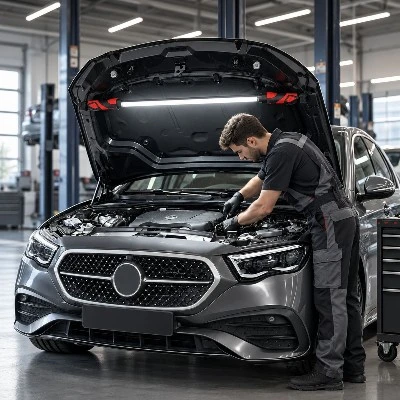
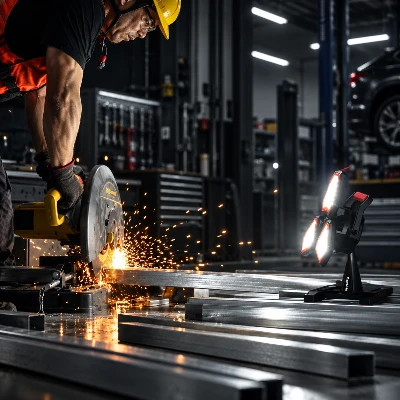
Different markets have different priorities. Some channels demand maximum brightness and raw power. Others prioritize compact form factors or intuitive usability. If you're serving a specific niche - whether that's automotive workshops, construction crews, or outdoor professionals - a one-size-fits-all product often won't cut it.
That's why OEM and ODM capability has become a key differentiator when choosing a work light supplier.
As a B2B buyer, ask:
- Does the supplier have an in-house design, engineering, and manufacturing team?
- Can they respond quickly to customization requests or product improvements?
- Are they able to take an idea from concept all the way through to mass production?
Suppliers with a fully integrated workflow - from initial design through prototype validation and final production - can turn your requirements into market-ready products much faster than those who rely on external partners for each stage. A proper development process typically includes design trials and pilot production runs before full-scale manufacturing, which helps catch issues early and ensures the final product matches your expectations.
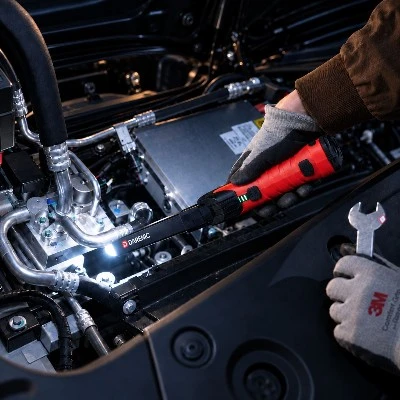
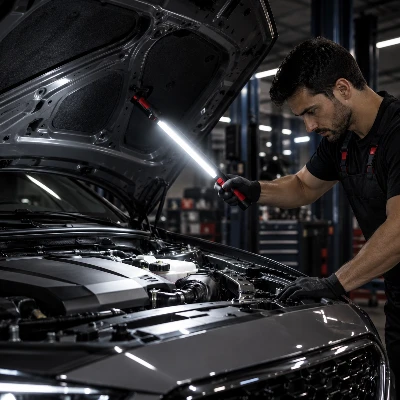
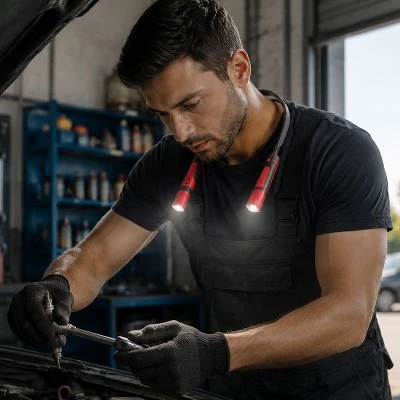
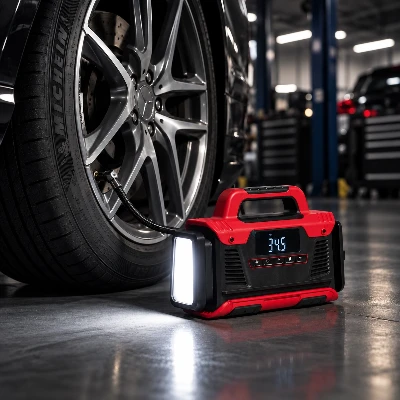
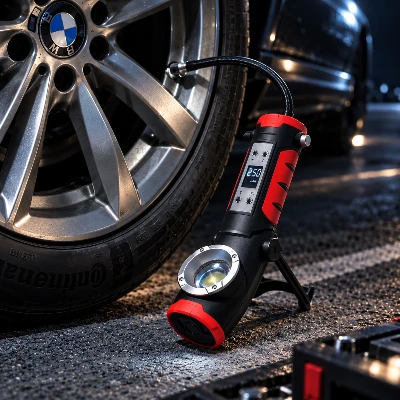
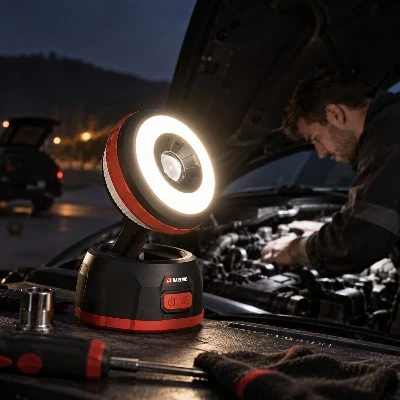
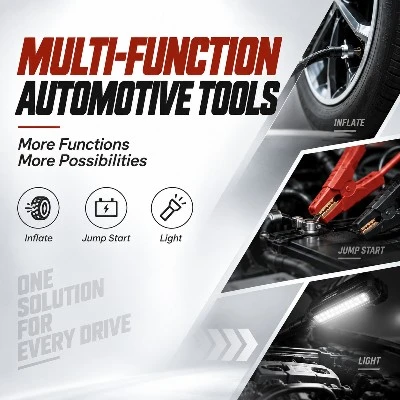
Real-world experience working with major distributors and international brands demonstrates why this matters. Products like portable work lights - and specialized models like under-hood lights - require a level of iteration and market-specific adaptation that only an experienced OEM/ODM partner can deliver efficiently. The right supplier doesn't just manufacture to spec; they help you get to market faster, with less risk.
If you're looking for a portable work light partner with proven OEM/ODM experience, Darenic's engineering team is available to walk you through your options - from initial spec to final sample.→ Request a free consultation

Industry Experience and Customer Base: Who Have They Actually Worked With?
Experience counts for a lot in B2B sourcing - and in the work light industry, it shows in ways that matter. Suppliers who have worked with major distribution chains or international brands tend to have more robust quality systems, clearer project processes, and a better understanding of what different markets actually require.
Contact now
When assessing a potential partner's track record, ask:
- How many years have they been operating in this industry?
- Have they worked with large international clients?
- Can their experience help you avoid costly trial-and-error?
- Do they execute projects efficiently and share real market feedback?
Established manufacturers typically have well-structured quality management systems and inspection processes built into every stage of production. That means products are more likely to meet the regulatory requirements of different countries and perform consistently across different retail and distribution channels.
This kind of experience also shows up in practical ways. Suppliers who understand the audit processes and purchasing models of large retail chains, for example, can better coordinate production schedules and deliveries around promotional seasons - so a missed shipment doesn't cost you a key sales window. Likewise, those who have supplied demanding international brands already know that material traceability and stage-by-stage quality testing aren't optional extras - they're what builds the consistency and trust that long-term partnerships depend on.
A supplier's client history tells you more than their brochure ever will. It's worth asking for specifics.

Long-Term Service and Support: Are They a Vendor or a Real Partner?
In any B2B relationship, the work doesn't stop when the shipment arrives. A strong work light supplier should be able to support you well beyond the initial order - responding quickly when issues come up, helping you adapt products to your specific market, and offering insight that actually improves your decision-making.
When evaluating a supplier's after-sales support, consider:
- How quickly do they respond to questions or problems?
- Can they help you tailor the product to your market's needs?
- Do they share data or suggestions drawn from real experience in the field?
The best manufacturers don't just fulfill orders - they accumulate knowledge. Suppliers working with major distributors often have access to sales data, return rates, and user preference trends across multiple channels. That information can be genuinely useful: it can help you benchmark products, fine-tune features, improve packaging, or sharpen your promotional strategy in ways that would otherwise take years of trial and error to figure out on your own.
This kind of partnership-level support helps you build a stronger product portfolio, cut unnecessary testing costs, shorten time-to-market, and improve your odds of success with each new launch. And a simple but telling signal of a supplier's reliability: a response time under 24 hours. It's a small thing, but it speaks directly to how seriously they take the relationship - and how much you can count on them when it matters.
The Bottom Line:Choosing the Right Supplier Is a Strategic Decision
Sourcing work lights is about more than finding a product at the right price. The five factors covered in this guide - battery safety and compliance, production capacity and reliable delivery, OEM/ODM flexibility, industry experience, and long-term service support - each represent a different kind of risk that the wrong supplier can introduce into your business.
Get all five right, and you're not just buying a product. You're building a supply chain that's consistent, adaptable, and built to scale with you. That's a real competitive advantage - one that shows up in fewer returns, smoother launches, and stronger relationships with your own customers.
If you're evaluating suppliers for your next order or planning a new product line, use these criteria as your checklist. The right partner will have clear, confident answers to every question on it.
See Our Portable Work Light Range
Browse our current lineup or tell us what you need - we'll put together a recommendation based on your market and order requirements.
Send Inquiry